C-band solid state power amplifiers have become essential components across a surprisingly wide range of applications beyond traditional satellite communications. From weather surveillance networks to deep space tracking systems, C-band SSPA technology delivers the combination of power, reliability, and precision that demanding radar and scientific applications require.
What makes C-band particularly interesting is its position in the frequency spectrum. Operating between 4 and 8 GHz, it offers a practical sweet spot: enough bandwidth for high-resolution data, reasonable atmospheric propagation characteristics, and manageable component sizes. These attributes have made C-band the frequency of choice for many of the world’s most critical radar and research installations.
This article examines the technical requirements driving C-band SSPA selection for radar and scientific applications, covering everything from fundamental operating modes to the practical realities of long-term field deployment.
C-Band Applications Overview
The diversity of C-band applications often surprises newcomers to the field. While many engineers associate C-band primarily with satellite television distribution, the frequency range supports an extensive portfolio of radar, scientific, and specialized communication systems that place very different demands on amplifier technology.
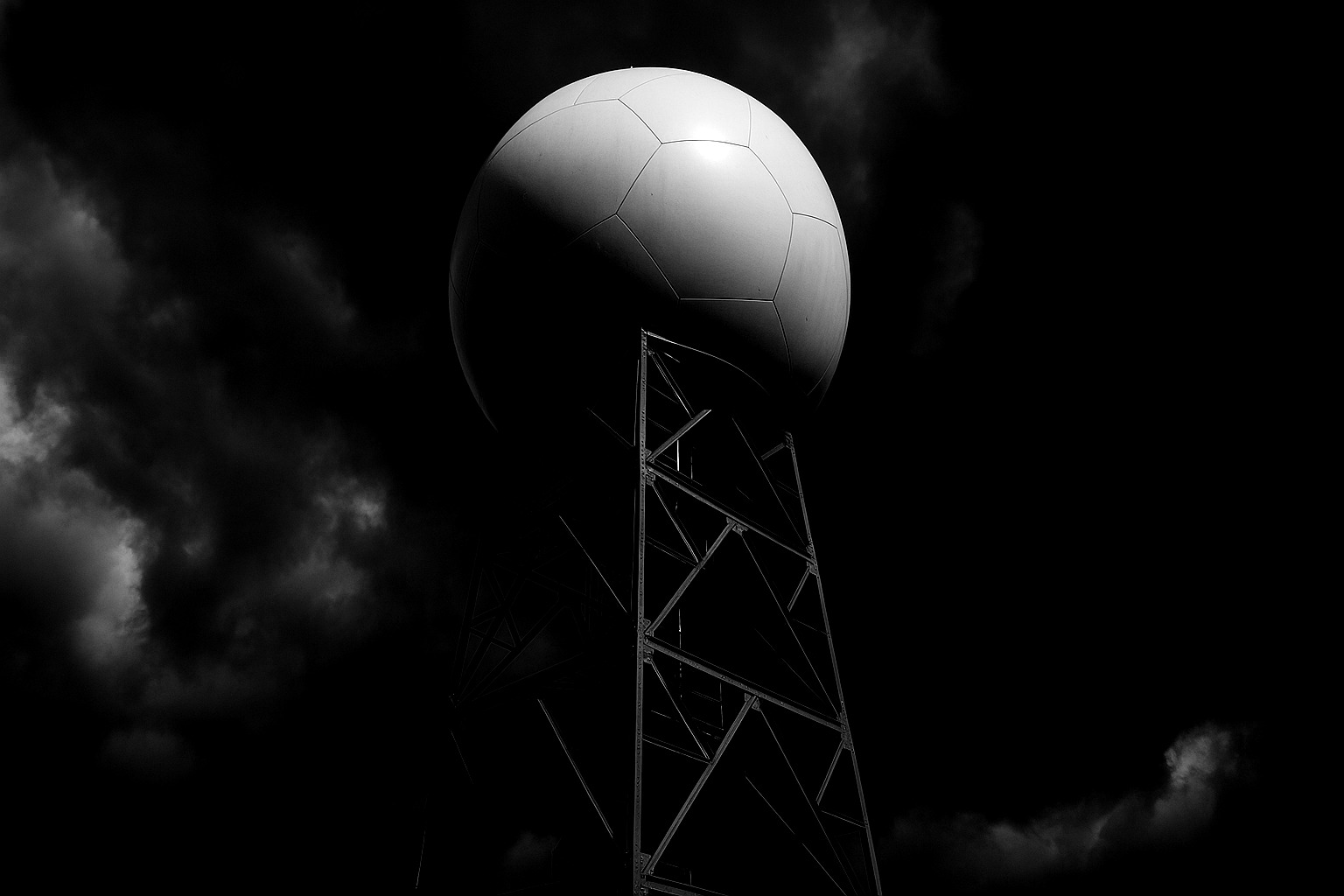
Weather radar represents one of the largest and most visible application areas. National meteorological agencies around the world operate networks of C-band weather radars that provide the precipitation data underlying daily forecasts and severe weather warnings. These systems transmit high-power pulses and measure the returned echoes to build three-dimensional maps of precipitation patterns. The amplifier requirements are dominated by peak power capability, pulse fidelity, and long-term stability.
Air traffic control and surveillance radars also operate extensively in C-band. These systems have extremely demanding reliability requirements — radar coverage gaps can directly impact aviation safety. The transition from legacy klystron and magnetron-based transmitters to solid state architectures has been driven primarily by the superior reliability and maintainability of SSPA technology.
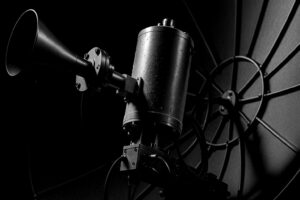
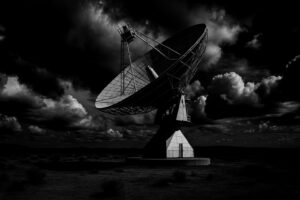
Scientific applications add yet another dimension. Radio telescopes, particle accelerators, and space research facilities all use C-band systems for purposes ranging from astronomical observation to spacecraft tracking. Each application brings unique technical requirements that influence amplifier specification and selection.
SSPA Technology for Radar Systems
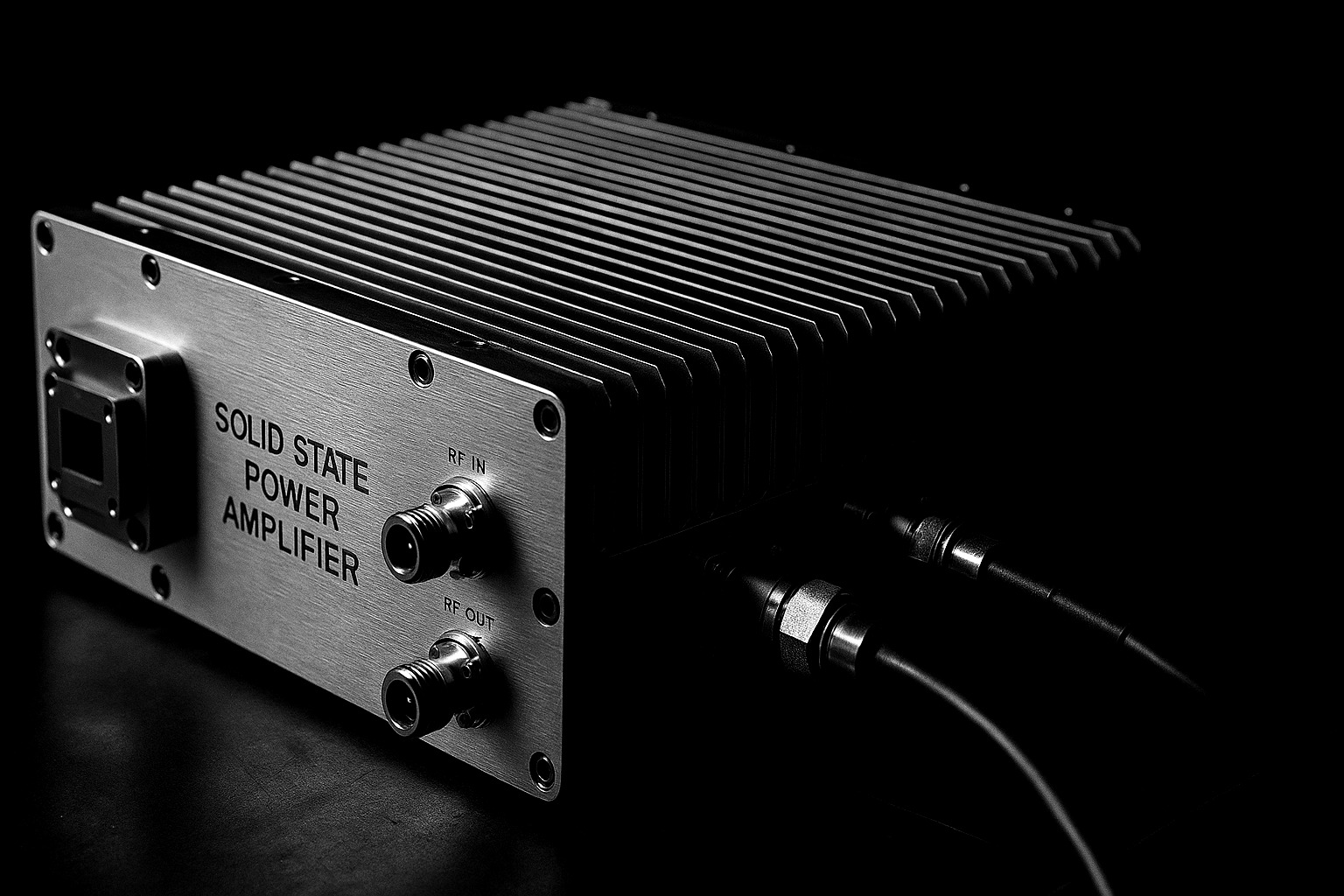
The fundamental advantage of solid state power amplifiers over their vacuum tube predecessors lies in graceful degradation. A traditional radar transmitter based on a single high-power klystron or magnetron has a binary failure mode — when the tube fails, the entire system goes offline until it is replaced. An SSPA-based transmitter, by contrast, distributes power generation across many individual amplifier modules. If one module fails, the system continues operating with a modest reduction in output power.
This architectural difference translates directly into higher operational availability, which is why defence organizations and civil aviation authorities have been steadily migrating their radar infrastructure to solid state technology. The economics are compelling: while the initial acquisition cost of an SSPA transmitter may be higher, the total cost of ownership over a 20-year lifecycle is typically lower thanks to reduced maintenance requirements and eliminated tube replacement costs.
Pulse vs CW Operation
Understanding the distinction between pulse and continuous wave (CW) operation is critical when specifying a C-band SSPA for radar applications. Pulse radar systems transmit short bursts of RF energy and listen for echoes during the intervals between pulses. The amplifier must handle high peak powers during each pulse while maintaining excellent rise and fall time characteristics to preserve pulse shape integrity.
Key pulse mode specifications include peak power, duty cycle, pulse width range, and pulse droop. Pulse droop — the decline in output power during a pulse — is particularly important for radar applications because it affects range measurement accuracy. Well-designed SSPAs achieve pulse droop figures of less than 0.5 dB, which is more than adequate for most radar applications.
Continuous wave operation, used in some scientific and communication applications, places different stresses on the amplifier. Without the thermal cycling associated with pulsed operation, CW mode demands sustained heat dissipation capability. The amplifier’s thermal management system becomes the primary design constraint, and reliability depends heavily on maintaining junction temperatures within safe operating limits.
Scientific Mission Requirements
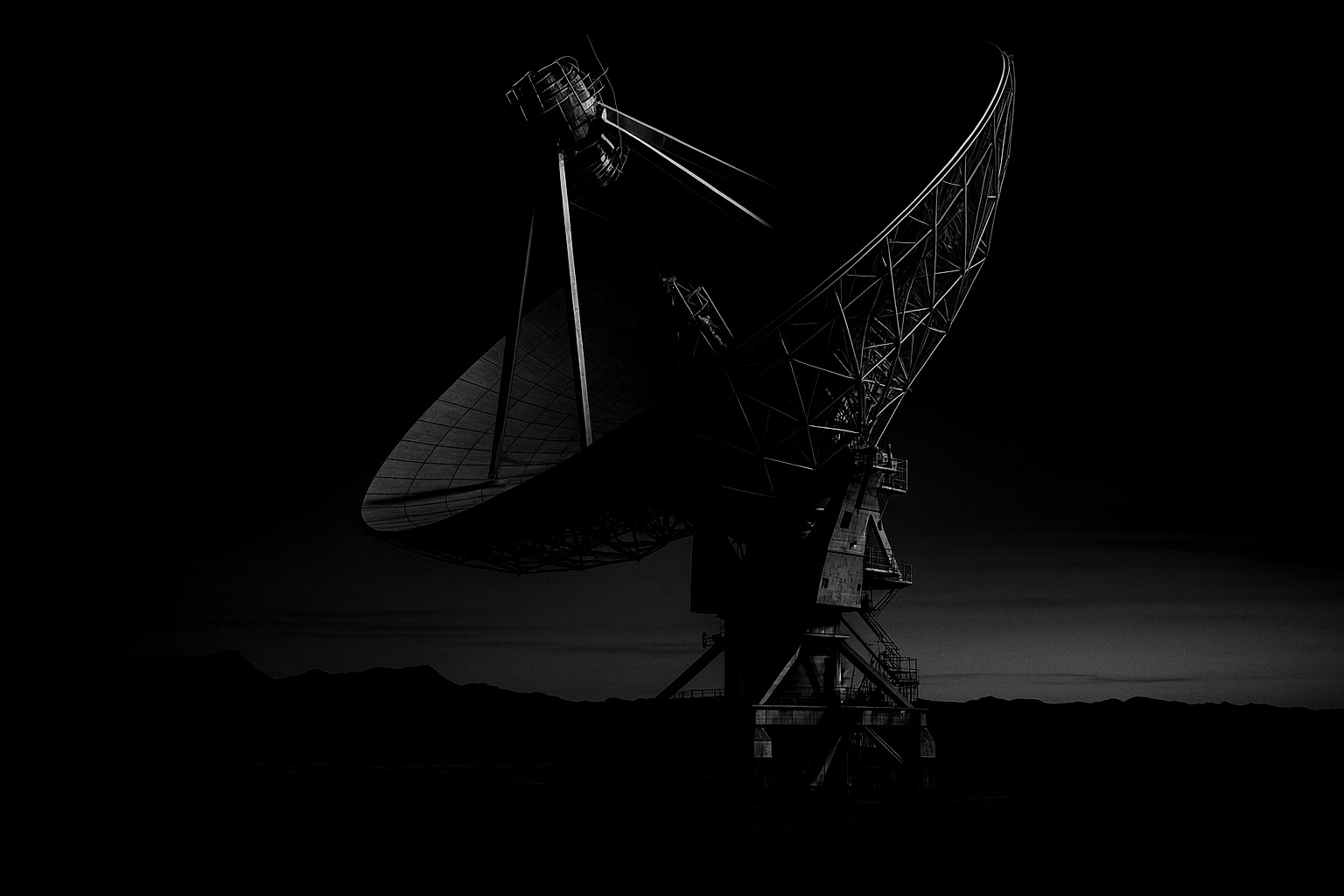
Scientific applications often impose the most technically challenging requirements on C-band amplifiers. Space research organizations like ESA and NASA specify amplifiers for deep space communication links that must operate continuously for years with minimal performance degradation. The signal integrity requirements are exceptionally stringent because the data being transmitted or received may be irreplaceable — you cannot ask a spacecraft to retransmit if the ground station amplifier introduced distortion.
Radio astronomy applications present a different but equally demanding profile. While radio telescopes are receive-only systems and do not need transmit amplifiers, the associated calibration and reference signal systems do require extremely clean C-band sources. Any spurious emissions or phase noise from these sources can contaminate the astronomical observations.
Particle accelerator facilities use C-band power amplifiers to drive accelerating structures. These applications require very high average power with excellent amplitude and phase stability. The amplifiers must maintain tight control over RF phase across the entire operating range to ensure proper beam acceleration. Even small phase errors can result in significant beam quality degradation.
Linearity Requirements
Amplifier linearity determines how faithfully the output signal reproduces the input signal’s amplitude and phase characteristics. For radar applications, linearity affects the system’s ability to distinguish between targets of different sizes and ranges. For communication applications, it determines the maximum modulation complexity that can be supported without excessive error rates.
The most common linearity metrics for C-band SSPAs include third-order intermodulation products (IM3), amplitude-to-amplitude conversion (AM/AM), and amplitude-to-phase conversion (AM/PM). Modern GaN-based SSPAs offer significantly improved linearity compared to earlier GaAs designs, enabling higher-order modulation schemes and improved radar resolution.
Performance Specifications
When evaluating C-band SSPA options for radar and scientific applications, several key performance parameters require careful attention beyond the headline output power figure.
Gain flatness across the operating bandwidth directly affects system performance. Radar systems require consistent gain across their instantaneous bandwidth to maintain pulse shape integrity and range resolution. Scientific systems need flat gain to ensure accurate spectral measurements. Typical high-quality C-band SSPAs achieve gain flatness of ±0.5 dB across bandwidths of several hundred MHz.
Phase noise performance is critical for coherent radar systems and scientific applications. The amplifier’s additive phase noise contributes directly to the system’s velocity measurement accuracy in Doppler radar applications and to spectral purity in scientific instruments. GaN SSPA technology has brought significant improvements in this area, with modern devices achieving phase noise floors below -150 dBc/Hz at common offset frequencies.
Operating temperature range and altitude capability must be specified based on the deployment environment. Ground-based radar installations may experience temperatures from -40°C to +55°C, while systems deployed at high-altitude sites face additional challenges from reduced air pressure affecting cooling performance. Airborne and space-qualified variants face even more extreme environmental requirements.
Environmental Qualification
Radar and scientific SSPAs must withstand operating environments that would quickly destroy commercial-grade equipment. Environmental qualification testing verifies that the amplifier will perform reliably under the full range of conditions it will encounter during its operational life.
Standard qualification tests include temperature cycling, vibration and shock testing, humidity exposure, altitude simulation, and electromagnetic compatibility (EMC) verification. Military and aerospace applications reference standards like MIL-STD-810 for environmental testing and MIL-STD-461 for EMC requirements. Civil radar applications may reference equivalent national or international standards.
Maintenance and Support
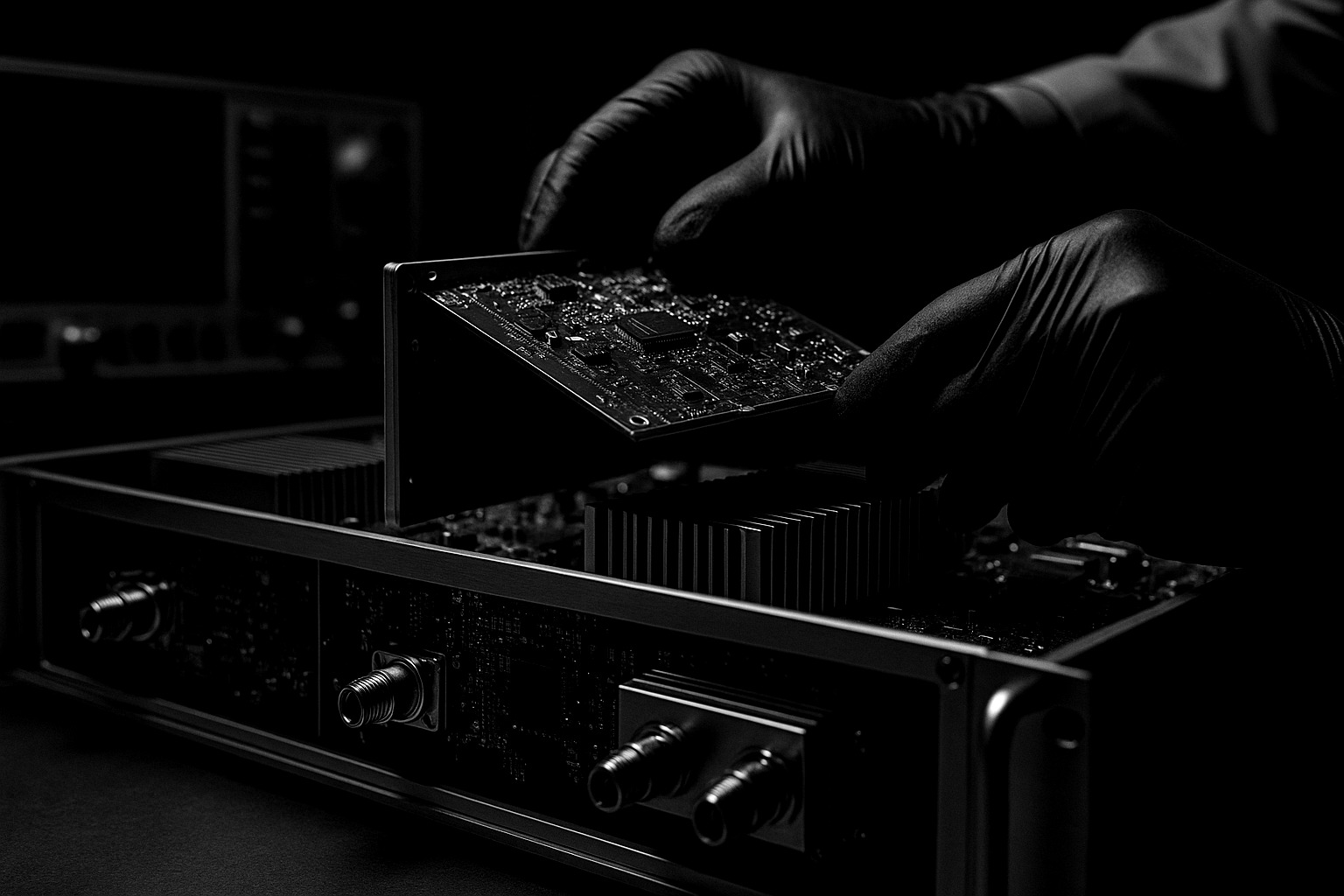
The operational lifecycle of a radar or scientific SSPA typically spans 15 to 25 years, making long-term maintenance and support a critical selection factor. Unlike commercial communication equipment that may be refreshed every few years, radar and scientific installations represent major infrastructure investments that must be supported over extended periods.
Modern SSPA architectures facilitate maintenance through modular design. Individual power amplifier modules, power supply units, and control boards can be replaced in the field without specialized tooling or extensive system downtime. This line-replaceable unit (LRU) approach minimizes the mean time to repair (MTTR) and keeps logistics manageable even for widely dispersed radar networks.
Reliability Analysis
Formal reliability analysis, typically expressed as Mean Time Between Failures (MTBF), provides a quantitative basis for comparing amplifier options and planning maintenance resources. High-quality C-band SSPAs for radar applications typically achieve predicted MTBF figures exceeding 50,000 hours — significantly better than the 5,000 to 15,000 hours typical of equivalent vacuum tube transmitters.
The reliability advantage of solid state technology compounds over the system lifecycle. A radar network of 50 stations, each operating 24/7, will experience roughly one SSPA module failure per station per year with well-designed solid state equipment. With vacuum tube transmitters, the same network would require several tube replacements per station per year, each involving significantly more downtime and logistic complexity.
Integration Considerations
Integrating a new SSPA into an existing radar or scientific system requires careful attention to interface compatibility. Physical mounting, RF connector types, power supply requirements, monitoring and control interfaces, and cooling provisions must all match the host system’s specifications. Reputable manufacturers offer customization options to ensure seamless integration, particularly for retrofit programmes where a solid state amplifier is replacing a legacy vacuum tube unit.
Monitoring interfaces deserve particular attention. Modern SSPAs provide extensive built-in test (BIT) and monitoring capabilities, reporting parameters including output power, reflected power, module temperatures, supply voltages, and fault status. Integrating these monitoring streams into the host system’s maintenance management framework enables predictive maintenance strategies that can identify developing problems before they cause operational impact.
For organizations evaluating C-band SSPA options, working with manufacturers who have direct experience in radar and scientific applications — and who can provide references from similar installations — significantly reduces integration risk. The technical requirements of these applications extend well beyond what commercial SSPA datasheets typically address, and domain-specific expertise matters greatly in achieving optimal system performance.
Related Resource: Explore our comprehensive RF & Satellite Communications Glossary for definitions of key terms including SSPA, GaN, C-band, and other RF technologies discussed in this article.
Related Application: Discover how high-power SSPAs serve particle physics facilities — from synchrotrons to hadron therapy systems — in our Particle Accelerator RF Solutions page.